LYRICAL ABSTRACTION
France 1950-1965
Lyrical abstraction, or Tachsime, is a form of abstract expressionism. The term was coined by Georges Mathieu in 1947, who is regarded by many as the founder of the lyrical abstraction. Unlike The New York school of Art, which celebrated automatic and random creation, the french school of abstract expressionism emphasized "style, purity, and unity."
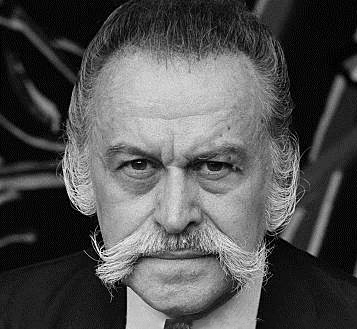
Lyrical abstraction refers to art that is characterized by free, emotive, and personal compositions that are unrelated to objective reality. Work created in this style usually have organic shapes, bright colors, and an intense energy. As such, geometrical movements such as cubism, hard edge painting, and minimalism were in direct opposition to Tachsime.
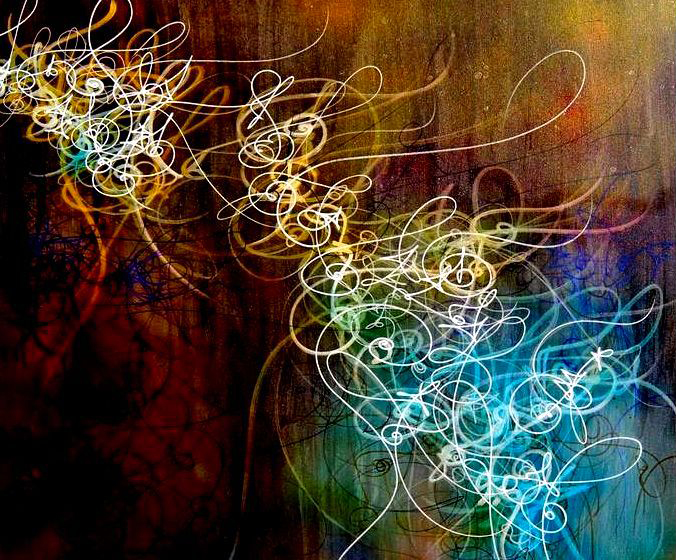
Mathieu did not classify himself as a nonobjective artist, but rather history painter using abstract forms. Many of his works refer to events in history, with titles such as "the abduction of Henrey IIV" and so on. His works are characterized by large gestural lines, pure bright colors, and sweeping calligraphic strokes. He often used long handled brushes and paint straight from the tube to increase the speed of his paintings.
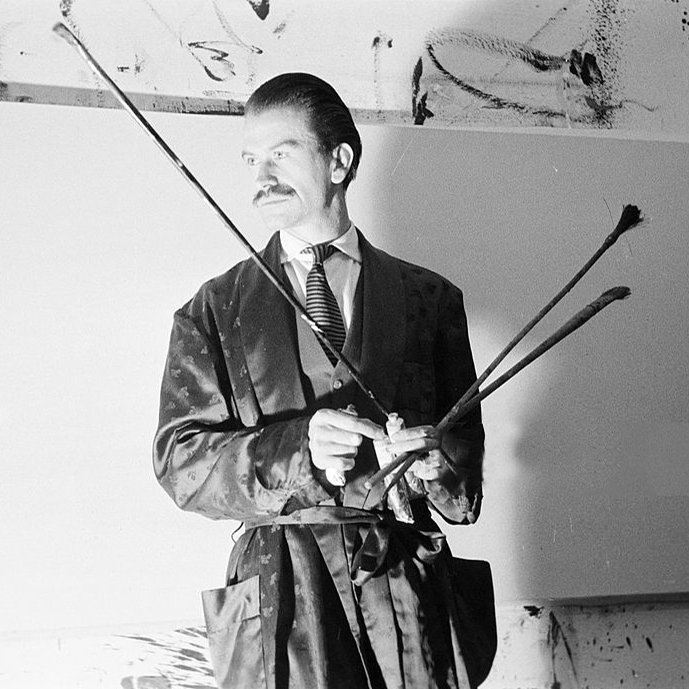
Mathieu is well known for how quickly he made works. Mathieu stated that "I do not paint fast by lack of time, but simply because...a longer time would have introduced doubts and affected the unity of the artwork." He also often performed in front of audiences when creating artwork, in an effort to move the artists and observer closer together.