EVERYTHING TO KNOW ABOUT
SCROLL DOWN

Anxiety is a normal part of life. You might feel anxious when faced with a problem at work or before taking a test. But anxiety disorders involve more than just temporary worry or fear. For someone with anxiety, this fear does not go away and it can get worse over time. The feeling can interfere with everyday things such as going to the store, performing in school and work, and relationships with friends and loved ones. There are several forms of anxiety but all share a common feature of excessive long-lasting fear.

There are several ways that anxiety disorder can form. Most anxiety disorders develope in childhood and young adulthood. For many people, anxiety disorder is linked to an underlying medical issue but more likely if it develops later in life. They can also be related to substance abuse or withdrawl. The biology, upbringing, and environment in which someone is raised grately affects the severity of anxiety.
With so many possible influences, no one person’s anxiety is like the others. This creates many different types of anxiety disorder. However, a likeliness in behavior and fear has allowed professionals to group them together and give each of them names. The top 5 most common types of anxiety disorder are: Generalized Anxiety Disorder (GAD), Panic Disorder, Social Anxiety Disorder, Specific Phobias, and Posttraumatic Stress Disorder (PTSD).


Stress is something that everybody deals with on a daily basis, but when it becomes excessive, you can trigger the stress responder in your body causing many health problems. The ‘Fight or Flight’ reaction in your body causes the body’s sympathetic nervous system to release stress horomones. This is a surge of adrenaline that rushes through your body and puts you on red alert. This is great when you need to extra fuel in your blood stream to keep up with a strenuous activity. When that excess amount of stress horomone isn’t used for physical activities, the anxiety and raised horomonal levels can have serious physical consequences.
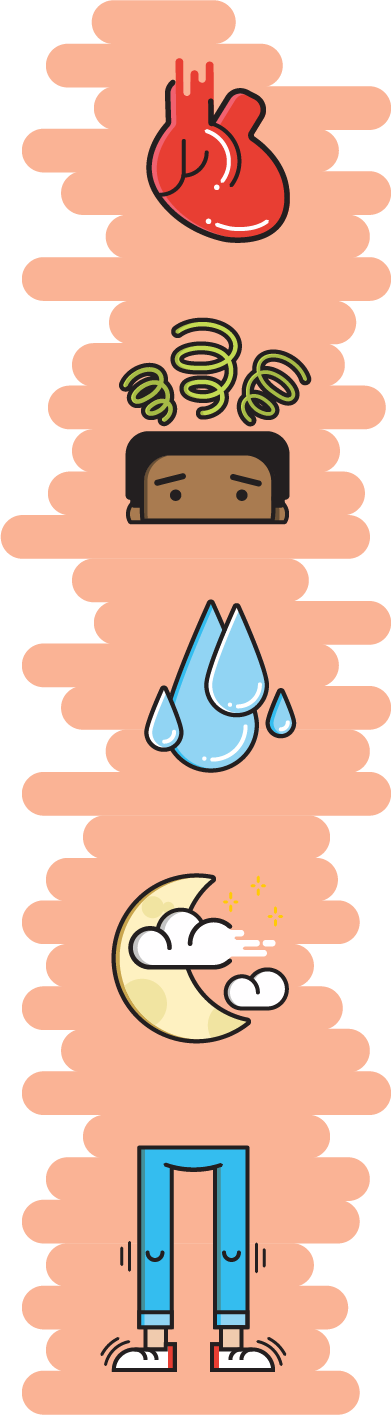
Going indo an anxiety attack is just as scary as it sounds. The body experiences different physical symptoms depending on the person. These include, but are not limited to, an increased heart rate, sweating, headaches, upset stomach, dizziness, shortness of breath, muscle tension and aches, frequent urination or diarrhea, shaking or trembling, insomnia, inability to concentrate, irritable, fatigue, and nervous energy.


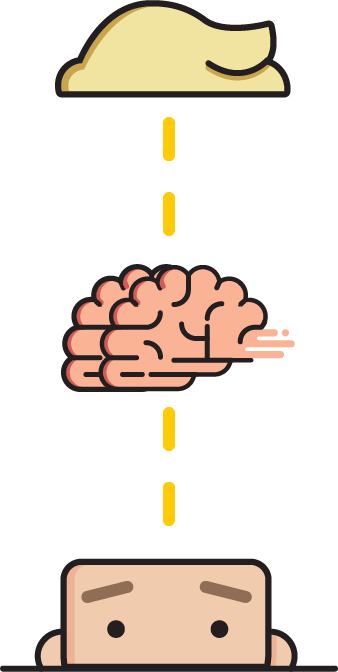
Stress can come from a variety of demands and pressures that we experience every day. Stress causes the realease of a horomone called cortisol. This chemical has been shown to damage and kill cells in the part of the brain called the hippocampus. This are is responsible for your episodic memory. When anxiety kicks in, your brain automatically reacts as if a threat was present. It sends outs distress signals to your body which is what causes the physical symptoms of anxiety.
Filtering is magnifying the negative details while filtering out all of the positive aspects of a situation. A person may pick out a single unpleasant detail and dwell on it exclusively so that their vision of reality becomes darkened and distorted.
Catastrophising is a style of thinking that amplifies anxiety. This is expecting disaster or something worse than it actually is. It is a constant “what if” process with the outcome always being the worst case scenario.
Polarised thinking occurs when you believe that there are is only pure good and pure bad. This can lead to unachievable standards and high stress level. It can happen when one bases their hopes and expectations on a single event or outcome.
Overgeneralisation is coming to a general conclusion based on a single incident or piece of evidence. A person may see or experience a single, unpleasant event and expect the same result to happen over and over again. This can lead to a restricted life when avoiding future failure based off a single event.
This type of thinking is observing a person and determining the intent of thier actions. The person’s actions may be deliborate or directed at you, unintended or result from an accident or chance. We judge other based on behavior and we judge ourselves based on intent.
Personalisation is relating everyone and everything to yourself. Not to be confused with selfishness, it is thinking that everything people say or do is in reaction to us. This causes comparison to others and interpreting each experience, conversation, look, etc. as a clue to your worth and value.
Individuals assume they know what others are feeling and why they act the way they do without confronting the person about it. Specifically, they are able to determine how people are feeling towards us.